

Every industry we touch has one thing in common: people.
Audience measurement is really about understanding how ideas move through us. Healthcare is about understanding how we navigate fear, hope, and decisions when it matters most. Logistics is about how we move, plan, and adapt in the real world. These aren’t abstract systems, they’re human systems. That’s why these focus areas matter, and why they’re our priority: because when you fix the physics underneath them, you make life better for the people inside them.


Audience Measurement
In audience measurement, the problem has never been data, it’s been the guesswork baked into every model that tries to interpret it.
Influence, attention, and propagation follow physical rules, but we need to break away from the marketing folklore.
With a governed substrate, you can finally see how ideas move, how signals stabilize, and how intention forms across a population.
The physics of how people connect.
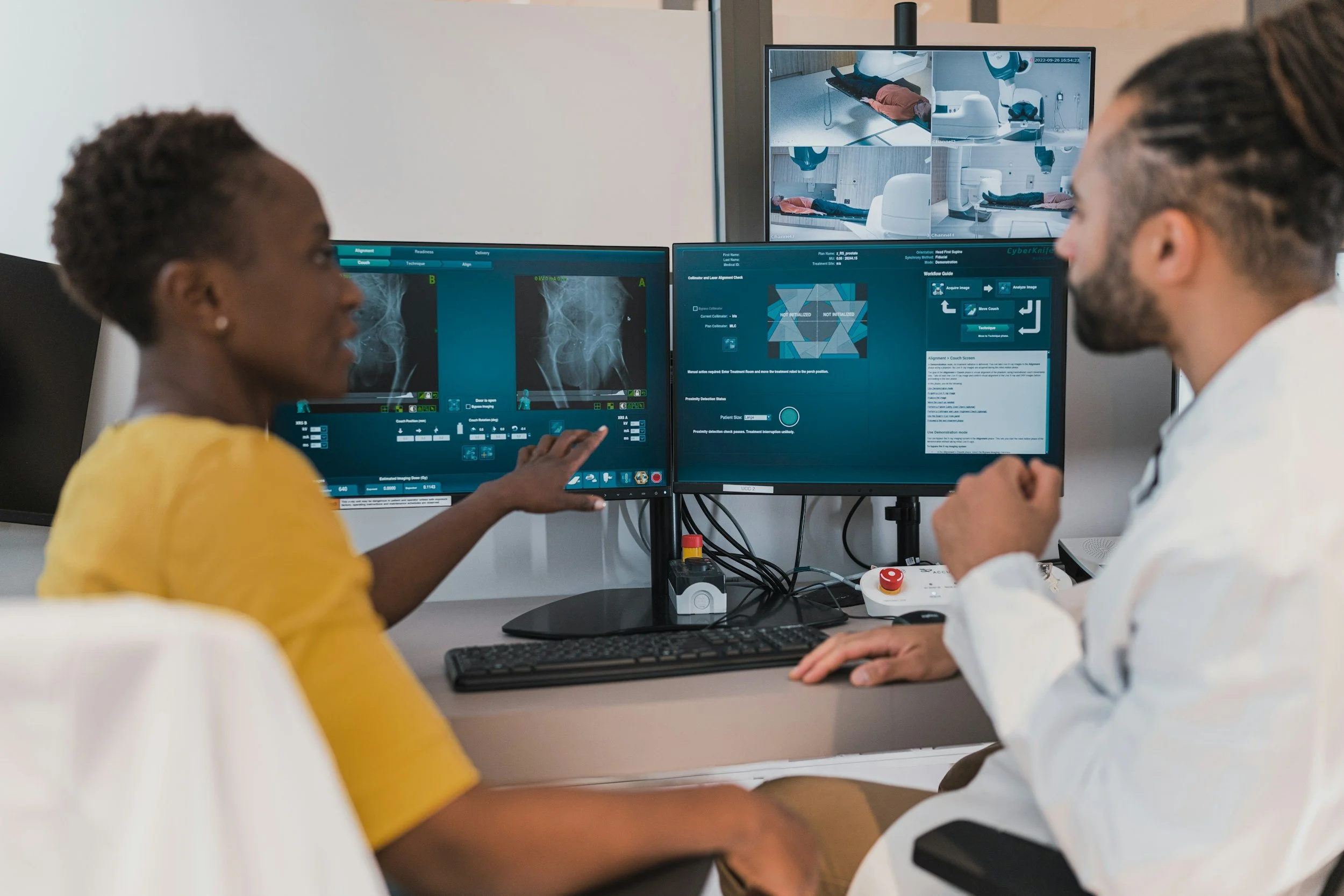
Healthcare
In healthcare, the stakes are higher but the mechanics are identical.
A patient journey is a propagation system: symptoms, decisions, interventions, and outcomes all follow the same universal laws of emergence.
When you replace statistical inference with physical certainty, drift disappears and the entire care pathway becomes understandable, predictable, and governable.
It’s about mapping the physics of their experience.
Logistics
In logistics, movement is just another form of cognition.
Trucks, inventory, reservations, and human decisions all propagate through a system the same way signals do.
Whether it’s U‑Haul or a global supply chain, friction, flow, and demand follow the same rules of emergence as any cognitive environment.
When you apply physics over probability, you don’t just optimize routes; you understand the behavior of an entire system and can help shape its future.